Go out and touch snow

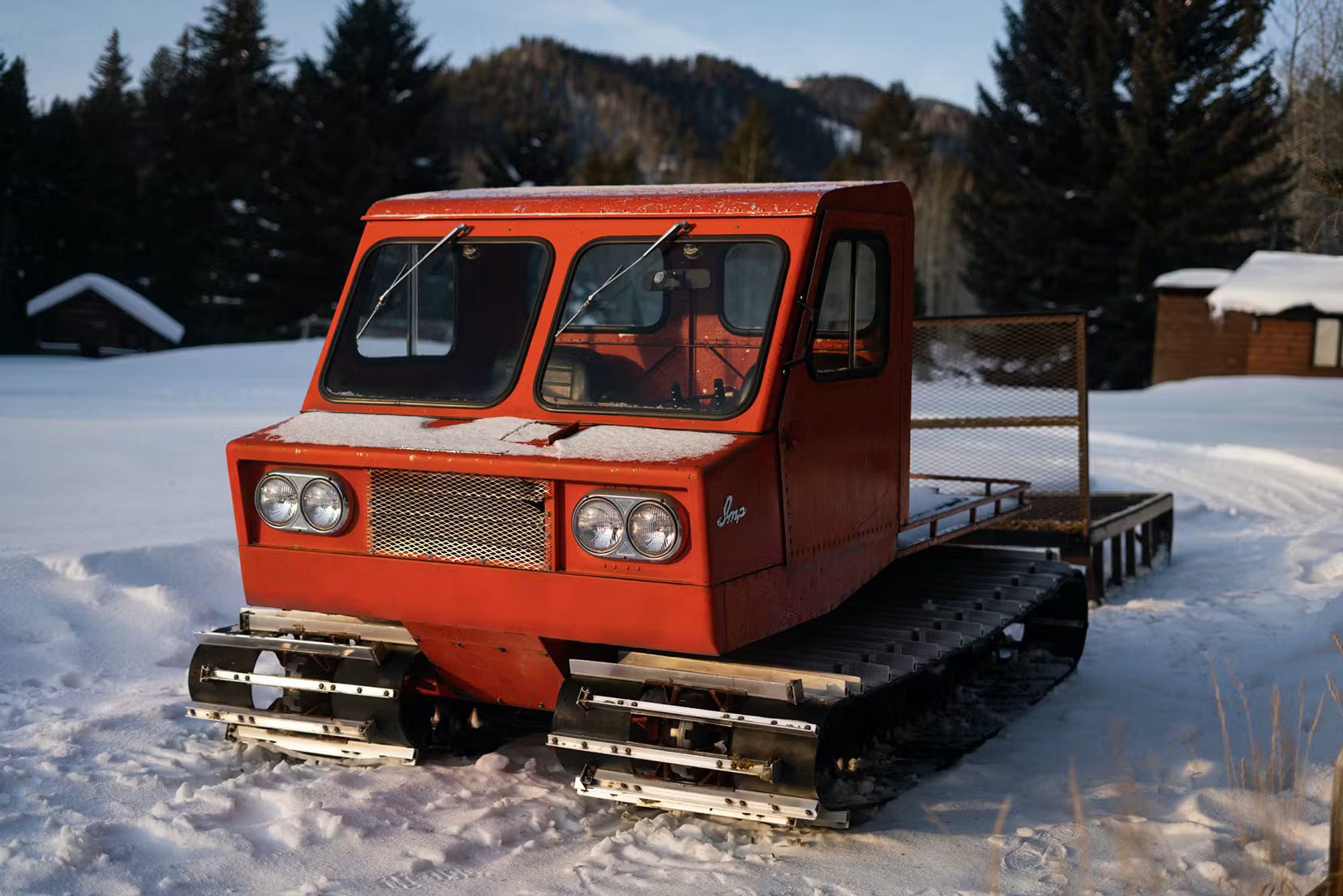
I started ski racing, badly, in college during the Reagan years. We would load up a school van, or our own junky vehicles, and head off to tiny ski areas in central NY with names like Toggenburg and Brantling where we contested 20 second courses with bamboo gates. I sometimes left mid-race to plow a path through the forest, leaving a trail of equipment and profanities. But it was co-ed, a lunch break was included between runs, and I had an old clothes iron we could use to wax our skis, so I was in. Plus I had the team jumper cables. After graduating, I worked as a teacher up in Maine and coached the ski team, running practice on a little hill with a rope tow that ran off a truck engine. The highlight was grooming the hill with a little Thiokol Imp snowcat, blasting the anemic heater and cranking up my cassette Walkman to drown out the racket of the cracked exhaust manifold. I lived on campus and the hour puttering around the ski hill in the Imp was my one slice of alone some days. Like the song says Never alone, always lonely. Easy to find, seldom seen.
And then one day, I threw my great big 210 cm slalom racing skis up in the attic and got on with a life that had more little skinny nordic skis and less of the expensive lift tickets. Until 20 years later, I had one of those flashes of an idea that used to be indicated with a cartoon light bulb over one’s head. At the time, we had these neat plastic skis that attached to snow boots, and I still had some fine equipment somewhere in the attic, so I proposed that we go to Emery Park, just down the road and try skiing.
At that time my son was maybe 5. The park had two and a half lighted hills served by a 1968 Sneller double T bar that ran off electric motors in the bottom shack, with a bullwheel at the top and a large glass tower overlooking the unloading zone and safety gates. When I was young, the county workers would sit in the tower and yell at us for swinging the T-Bars but the speaker broke somewhere along the line, thankfully. It was a great, terrible, machine, that T-bar. Children would get hauled head first up the hill, sometimes hooked on their parkas and dragged through the safety gates at the top. The right side lift had stronger springs that lifted lighter children off the ground at pole two and spun them around backward, then set them back down, to crash. We started with both my kids riding up between my feet, which was a ball.
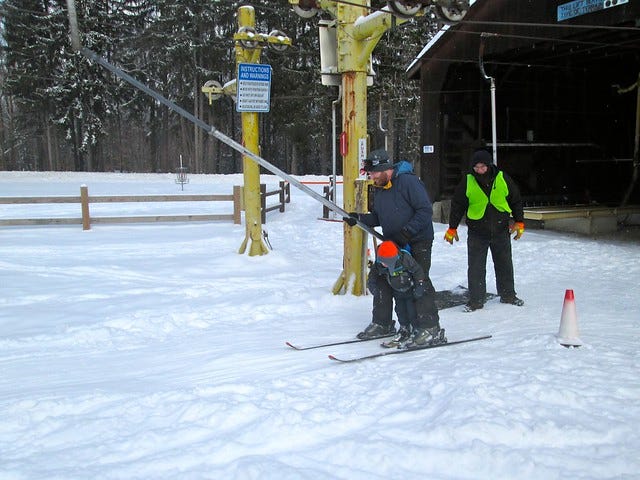
In time they both mastered the T-bar and learned to ski all the hills, including the off limits trails in the woods, just as I had in 1975. When we got cold, we could retire to the lodge and hang out by the fire, work on a puzzle, or drink hot cocoa from a thermos. It was an experience that I will always cherish. And it was free and wrapped up before bedtime.
Emery park is a great place to see on foot. The Buffalo Orienteering Club sets a permanent map hike course every winter in the park, with about a dozen metal control plaques attached to trees, and a corresponding detailed map with some helpful clues.
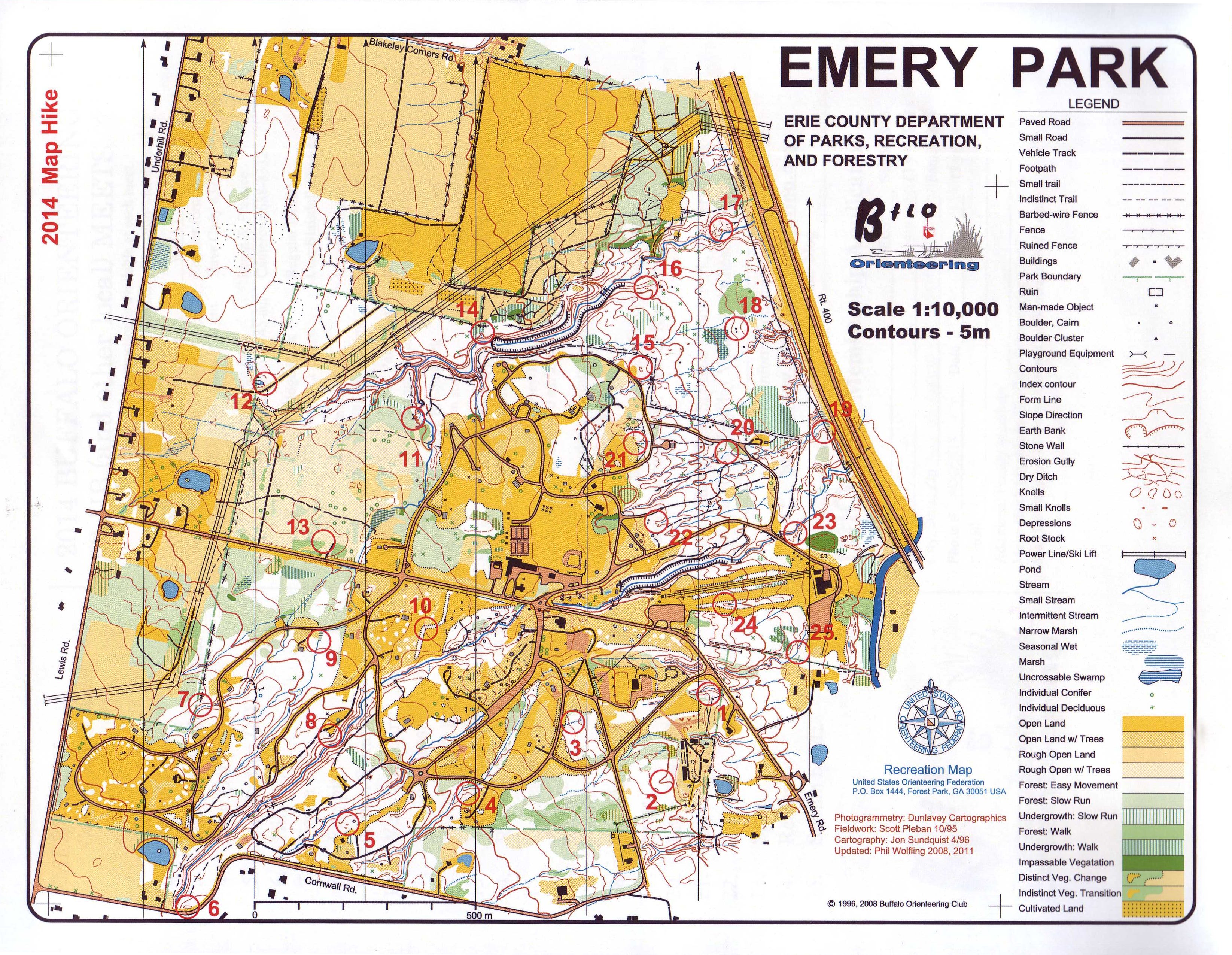
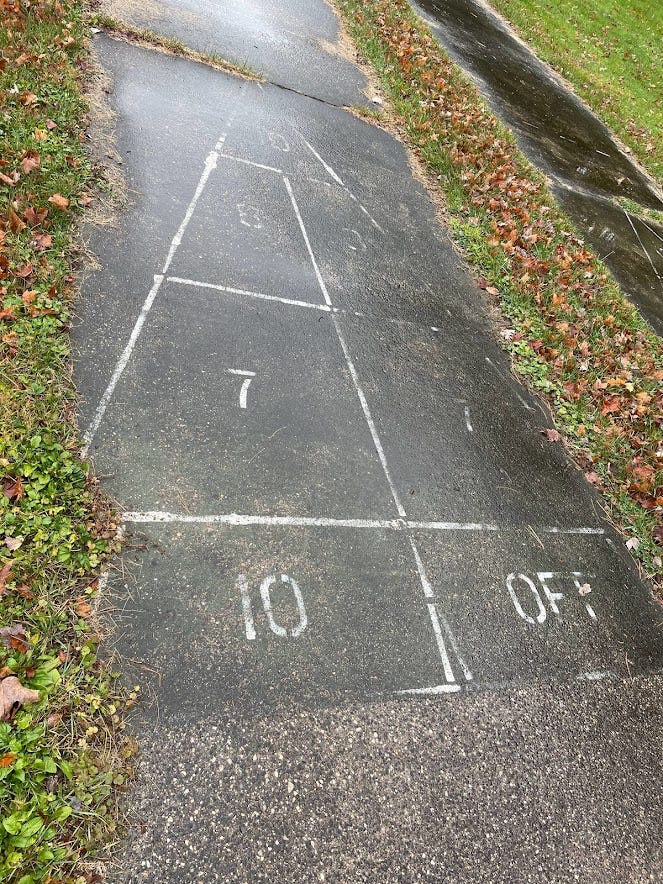
Finding the controls requires hiking all over the park and tromping through places one normally wouldn't consider visiting. I have lived here for decades, but never knew about the area backed by the power lines near route 400, or some of the old disused blacktop roads and bridge footings just sitting out in the woods. Just off Emery road by the park entrance is the site of the old Emery home, which later became the Emery Inn. I have a vague memory of eating there, but I’m not sure I can trust my mind on that one. There is a bit of concrete in one corner that may have been an old septic tank cleanout. In the back are some shuffleboard courts.
Back further toward Cornwall road sits the lodge that used to feature a lighted ice skating rink. Directly across the street is a fanciful Japanese garden, leading to a path over a stone bridge and a “100 steps” feature similar to Chestnut ridge that leads down into a gorge. The steps have long since fallen into disrepair. And as I stumble through the park with my map and compass, I can’t help but think about all the history, the dreams, and the people, who have come before me, and are now gone.
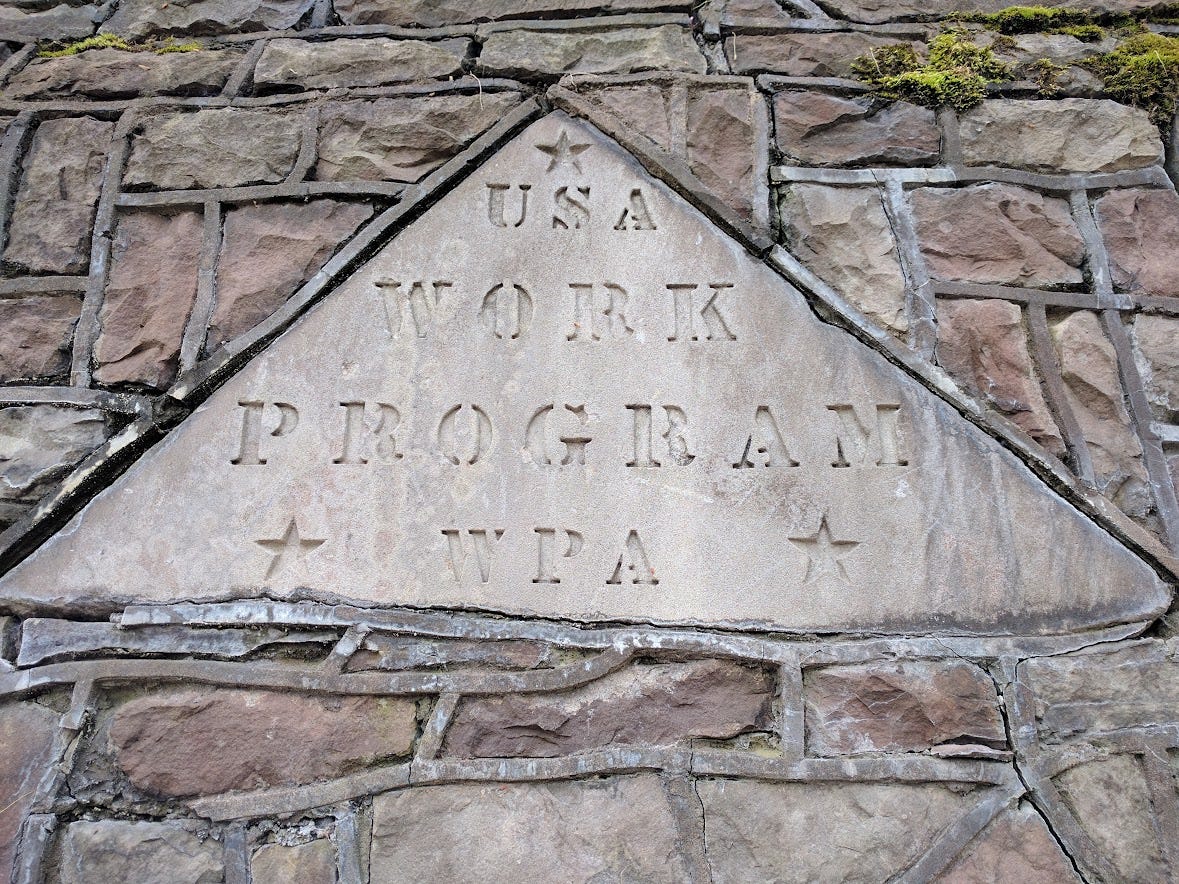
One of my favorite relics is a pair of old incinerators built during the depression as part of the Works Progress Administration program.
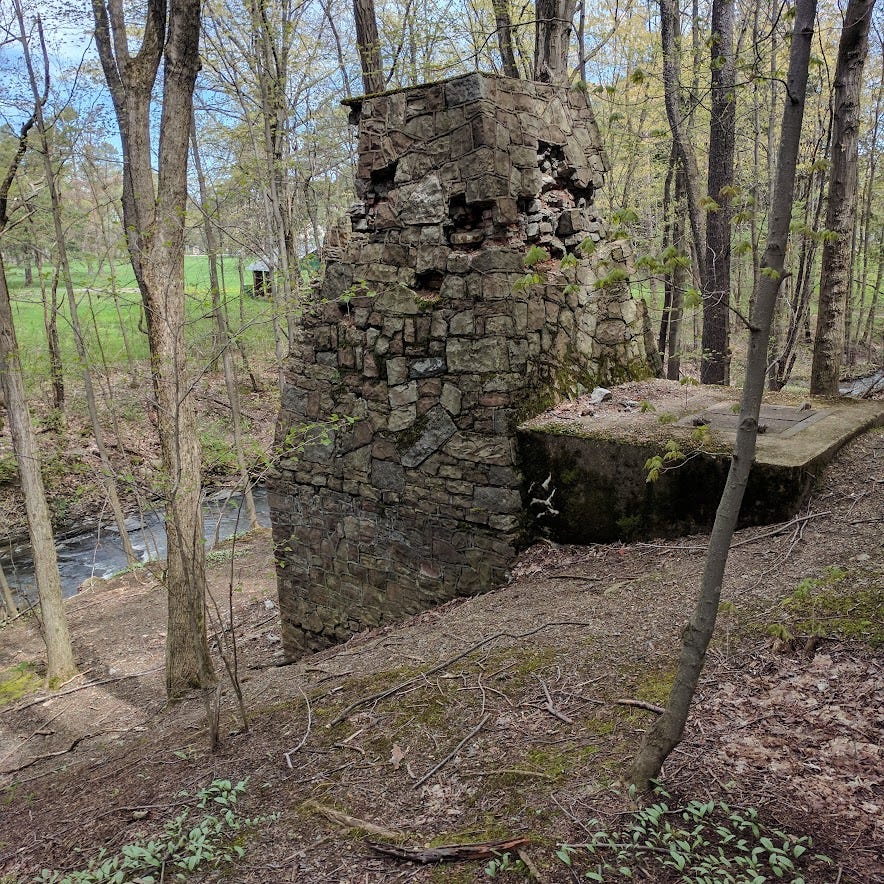
I think often of what this place must have been like in the late 1930’s, with the clouds of war gathering an ocean away, a war that would not touch us. For we had our own problems here. Europe's war. Until a warm morning on December 7, 1941, when the Sunday morning was filled with the sounds of Kate torpedo bombers shrieking in low across the Pacific, and we were never the same. But then at the same time, how special this little park in the woods must have been years later when a generation returned with visions of a war they would never unsee. A park set in rolling hills with stone shelters and water pumps built by unemployed men with families who got work with the WPA when there was so little to go around. When we did great things as a nation.
So, I’m glad when I see those old relics in the forest, it makes me smile and remember my parents, and feel like I’m part of something just a little bit bigger.
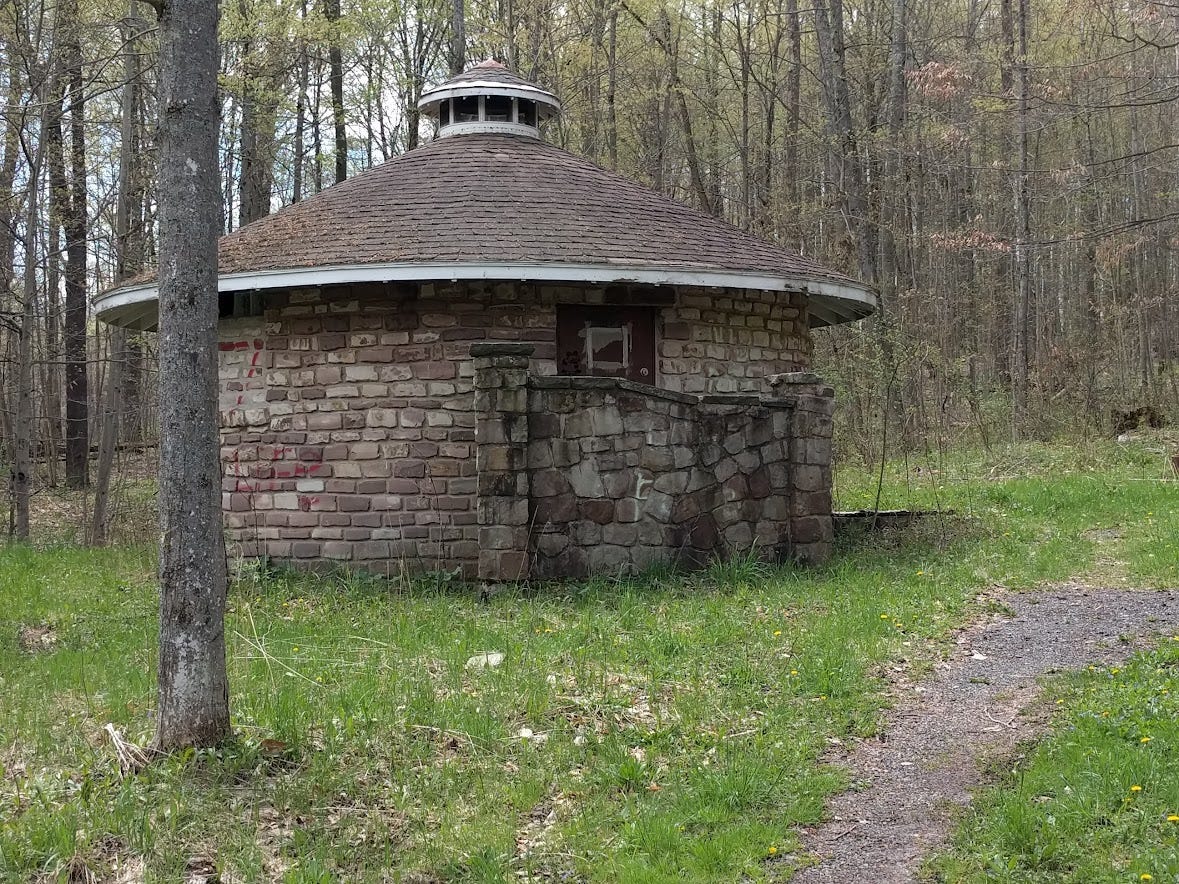
I often reflect on all the joy I get back from our park system. Running or mountain bike riding at Sprague Brook, doing the map hikes in the county parks with my family, having our end of the year cyclocross banquet at the Commissioner's Cabin on the lake at Chestnut Ridge, sledding with my young children at night at the ridge. I am so very proud of us as Americans for having the vision to set aside open spaces in our communities, and all chipping in to keep them nice. In the end, we get paid back tenfold in the health, in the memories, in the joy of a child. We are all made bigger through our embrace of play in the outdoors and the spaces that support it.